CMMC Consultant vs. C3PAO vs. MSP: Who Actually Does What and Who You Need First
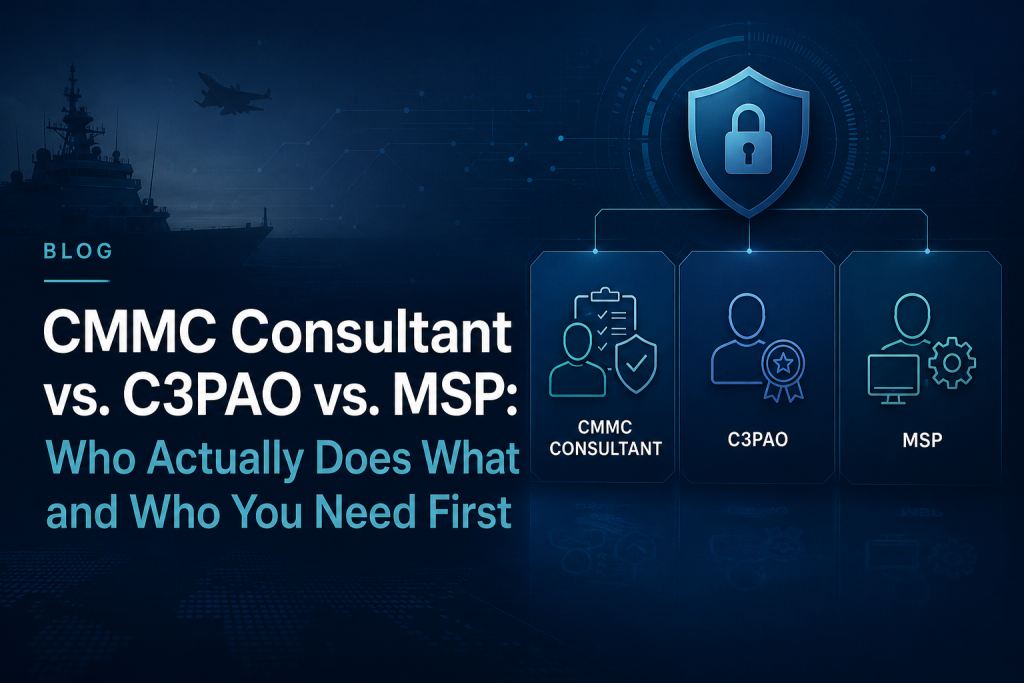
If you’re a defense contractor preparing for CMMC and you’ve started calling vendors, you’ve probably noticed something confusing: three completely different types of companies all claim they “do CMMC.” A compliance consultant. A C3PAO. A managed service provider (MSP). They sound interchangeable. They are not. Hiring them in the wrong order is one of the most expensive mistakes contractors make in the months before an assessment and it’s avoidable once you understand what each one is actually allowed to do.
What Is a CMMC Registered Practitioner and Why You Want One Before You Call a C3PAO
A CMMC Registered Practitioner (RP) is a credentialed professional, recognized through the CMMC ecosystem, who is trained to advise organizations on preparing for certification scoping the environment, assessing controls against NIST SP 800-171, and building a remediation plan. An RP is the partner you bring in before certification. A C3PAO is who certifies you after you’re ready. Confusing the two or skipping the first is one of the most expensive mistakes a defense contractor can make.
CMMC Compliance for Florida Defense Contractors: A Space Coast Guide
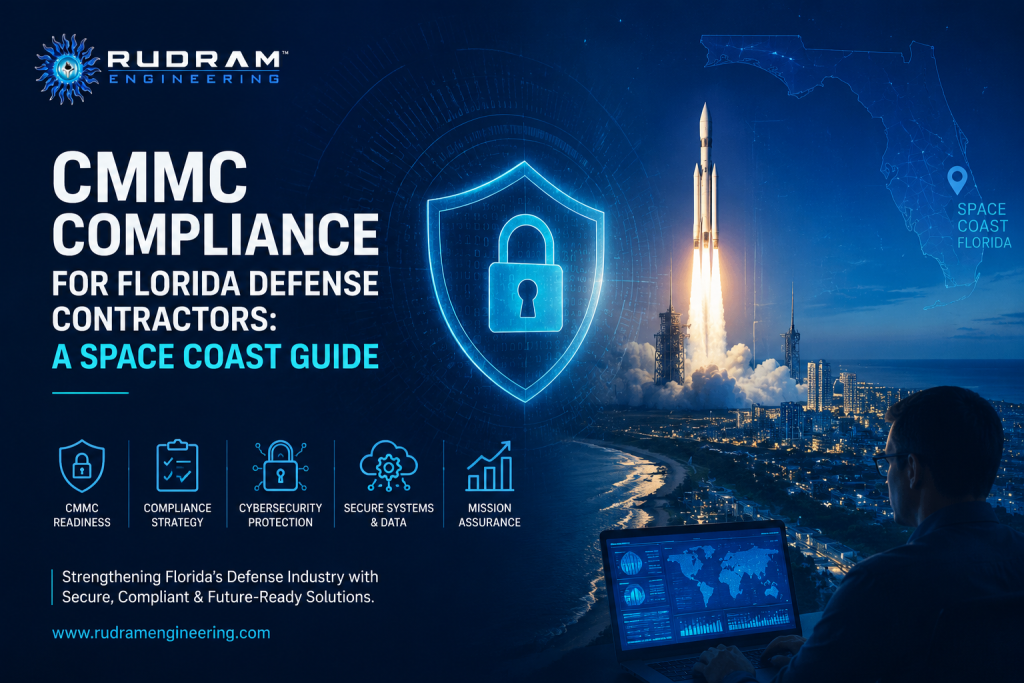
Florida’s Space Coast is one of the densest concentrations of defense, aerospace, and government supply-chain work in the country. Brevard County alone supports thousands of suppliers feeding Cape Canaveral Space Force Station, Patrick Space Force Base, the broader Eastern Range, and the prime contractors that run programs there. If your company is one of them, the question is no longer whether CMMC applies to you. It’s whether you’ll be certified or in a credible process before your next contract or purchase order is decided.
CMMC Requirements for Subcontractors: Why Your Prime Will Not Wait, and What They Are Already Doing About It
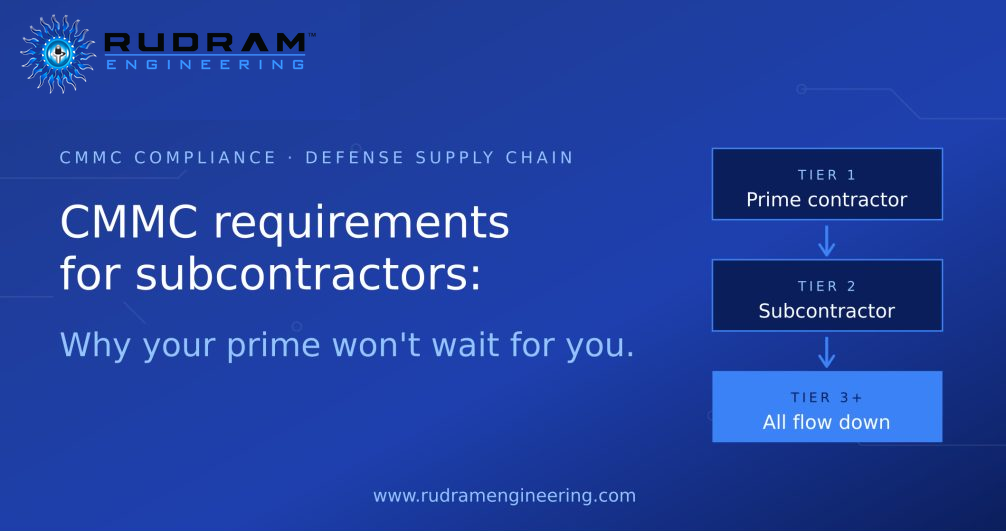
If you supply parts, services, software, machining, manufacturing, or technical work to a defense prime contractor, your CMMC clock did not start on November 10, 2026. It started in late 2025 when Lockheed Martin, Boeing, Raytheon (RTX), Northrop Grumman, Elbit America, Parsons, HII, and General Dynamics began issuing supplier directives that made CMMC compliance a condition of continued business.
Why 98% of Defense Contractors Are Not CMMC Ready — And What Happens to Them Next

The DoD’s own Regulatory Impact Analysis identifies 337,968 entities across the Defense Industrial Base that will eventually fall under CMMC requirements, including roughly 76,000 companies that need third-party Level 2 certification. As of late 2025, approximately 200 contractors had completed C3PAO assessments.
CMMC Requirements for Subcontractors: Why Your Prime Won’t Wait for You

In today’s hyper-competitive digital landscape, the speed of delivery and the quality of the product are no longer tradeoffs; they are dual requirements for success. Businesses demanding continuous innovation and rapid feature deployment must evolve beyond traditional, manual software development practices.
CMMC Compliance Checklist: What Your C3PAO Assessor Actually Evaluates Across All 110 Controls

In today’s hyper-competitive digital landscape, the speed of delivery and the quality of the product are no longer tradeoffs; they are dual requirements for success. Businesses demanding continuous innovation and rapid feature deployment must evolve beyond traditional, manual software development practices.
The Legal Risk of CMMC Non-Compliance: False Claims Act, DOJ Enforcement, and What It Means for Your Business

In today’s hyper-competitive digital landscape, the speed of delivery and the quality of the product are no longer tradeoffs; they are dual requirements for success. Businesses demanding continuous innovation and rapid feature deployment must evolve beyond traditional, manual software development practices.
What Does CMMC Certification Actually Cost? A Realistic Breakdown for Defense Contractors
In today’s hyper-competitive digital landscape, the speed of delivery and the quality of the product are no longer tradeoffs; they are dual requirements for success. Businesses demanding continuous innovation and rapid feature deployment must evolve beyond traditional, manual software development practices.
CMMC Phase 2 Is 7 Months Away: What DoD Contractors Need to Do Now

In today’s hyper-competitive digital landscape, the speed of delivery and the quality of the product are no longer tradeoffs; they are dual requirements for success. Businesses demanding continuous innovation and rapid feature deployment must evolve beyond traditional, manual software development practices.